Become an
ML engineer
in 2026
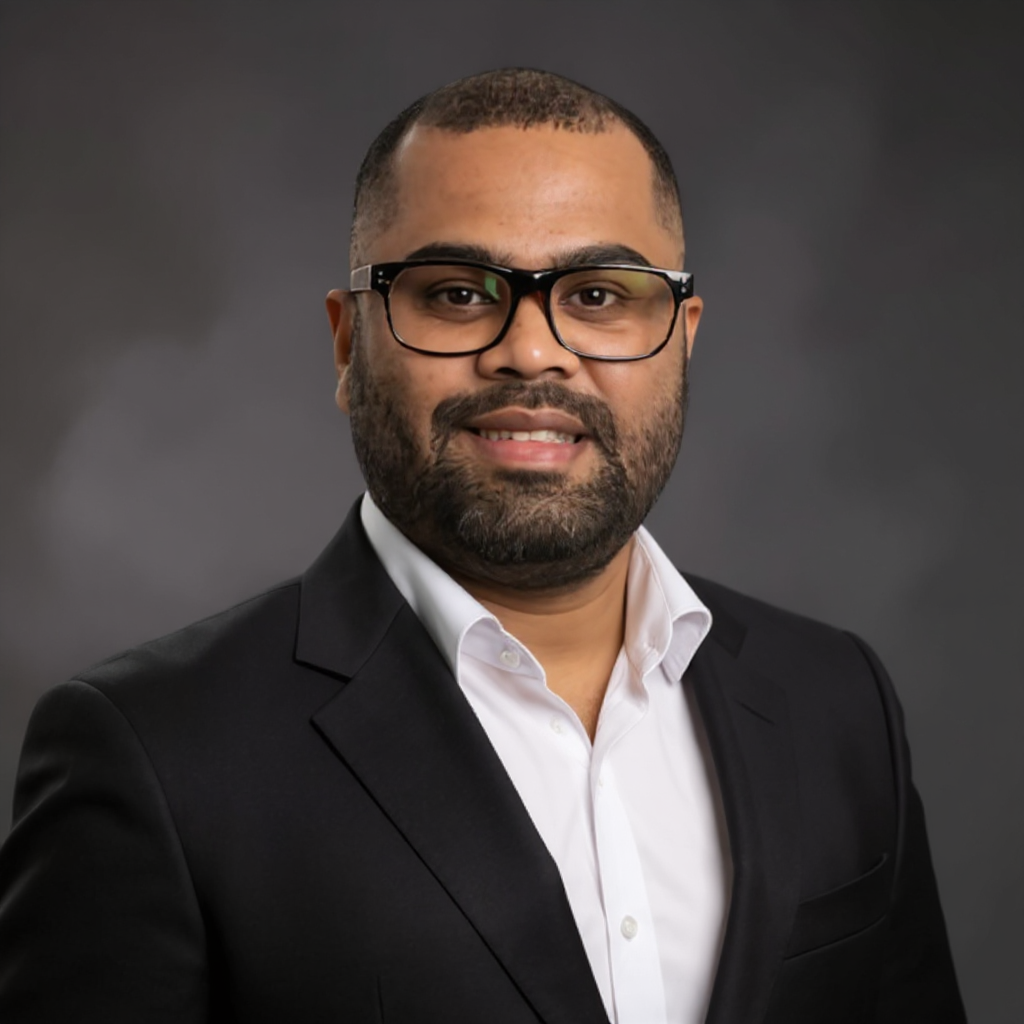 Aki Wijesundara
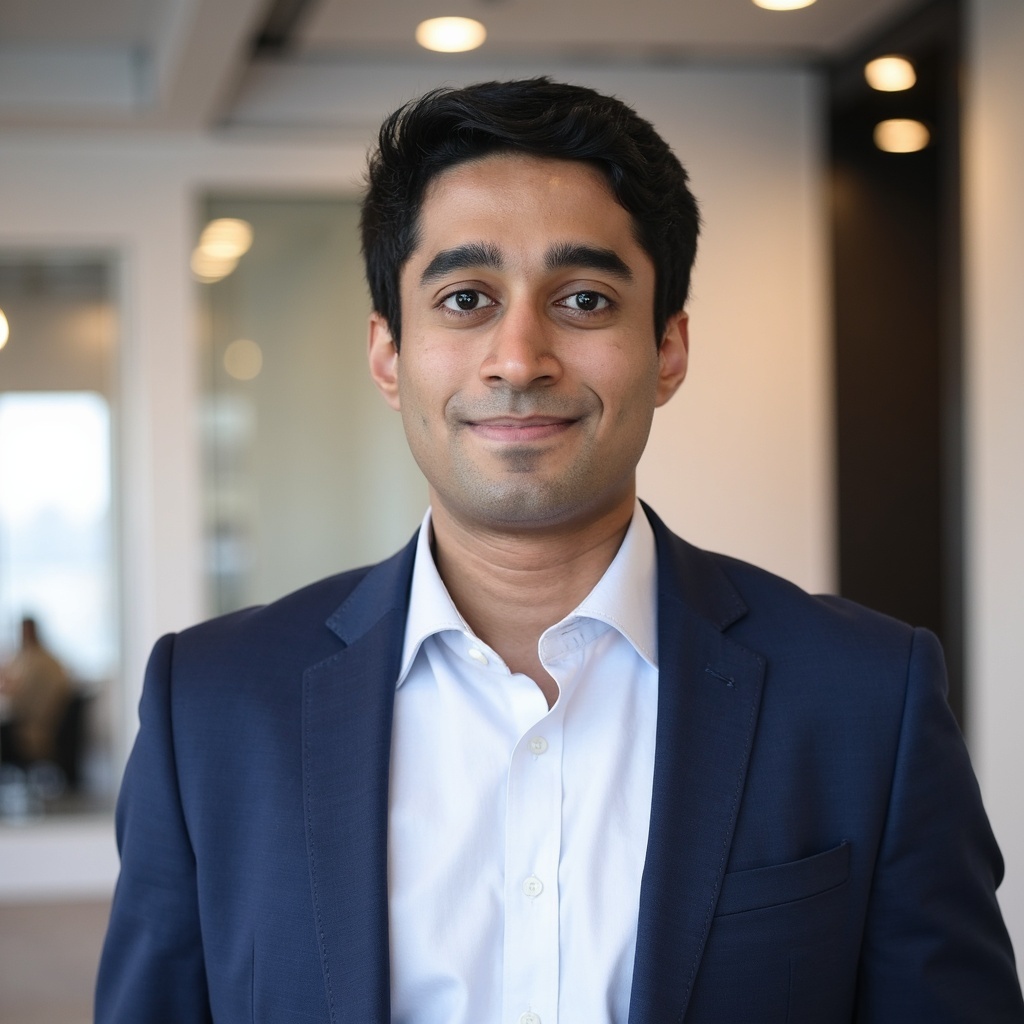 Manu Jayawardana
Three revolutions reshaping ML at once.
Foundation model era
GPT-5, Claude Opus, Gemini 3 competing on benchmarks. Raw intelligence is being commoditised. Less training from scratch, more integration and fine-tuning.
CommoditisedProduction systems shift
ML engineering is now 80% systems, 20% modelling. MLOps, monitoring, reliability are core competencies. 87% of ML models never make it to production.
The bottleneckAgentic and multimodal explosion
AI agents moving from hype to practical deployment. MCP becoming the "USB-C for AI". Multimodal natively, not translation layers.
The frontierThree tiers named. Five layers of skill. One portfolio-first path.
Three tiers of ML engineering. Different jobs. Different paths.
Foundation Model Engineers
Where: OpenAI, Anthropic, DeepMind, Meta AI, xAI.
Focus: Pre-training, RLHF, scaling laws, distributed training.
Research frontierApplied ML Engineers
Where: Tech companies, AI startups, Fortune 500s.
Focus: Fine-tuning, RAG, agents, deploying models to production.
Largest hiring marketML Platform Engineers
Where: Internal ML platforms, infra startups, cloud providers.
Focus: Feature stores, model serving, GPU orchestration, CI/CD for ML.
Rare and valuableThe research frontier. Small teams. Long cycles.
- Pre-training architecture research (transformers, diffusion, world models).
- Distributed training on thousands of TPUs and GPUs.
- RLHF pipeline engineering.
- Scaling law experiments and efficiency optimisation.
- Building evaluation frameworks.
- Extremely competitive. PhD often expected.
- Small teams. Roughly 100 to 200 core researchers per lab.
- Training runs cost $10M to $100M+.
- Long cycles per run.
- Strong ML fundamentals plus published research.
- Exceptional distributed systems engineering.
- Domain expertise, e.g. CV to multimodal.
The production builders. Largest hiring market.
- Fine-tuning foundation models for specific domains.
- Building RAG pipelines.
- Deploying models with monitoring.
- Building multi-agent systems and agentic workflows.
- Optimising inference cost and latency.
- A/B testing model performance in production.
- Accessible entry. Bootcamps plus portfolio work is the path.
- Rapid skill obsolescence. Tools shift fast.
- Need to ship fast. MVP in a stage, not a semester.
- Thousands of open roles globally.
- Strong SWE plus a portfolio of deployed AI projects.
- Deep knowledge of one cloud platform.
- Two to three end-to-end projects, GitHub plus live demos.
- Open source contributions.
The infrastructure layer. Rare skillset. High value.
- Building feature stores and model registries.
- Creating self-service ML platforms.
- Optimising model serving for latency, throughput, cost.
- Managing GPU and TPU clusters and orchestration.
- CI/CD pipelines for ML workflows.
- Model monitoring and observability.
- Usually needs a couple of cycles of SWE experience first.
- Bridges ML plus DevOps. Rare, so high value.
- Less about models, more about reliable systems.
- Critical for scaling ML in organisations.
- SWE, then learn ML fundamentals, then specialise in MLOps.
- SRE background plus ML interest.
- Strong DevOps or platform engineering plus ML projects.
Layers 1 to 3. The foundation.
Math and statistics
Linear algebra: matrices, vectors, eigenvalues. Probability and stats: distributions, Bayes theorem. Calculus: derivatives, gradients, chain rule. Info theory: entropy, KL divergence.
Learn just-in-time, not upfrontProgramming and SWE
Python mastery: OOP, type hints, testing. DS and A: LeetCode medium level. Git workflows, DVC for data versioning. Build software, not just notebooks.
ML is softwareML fundamentals
Supervised and unsupervised learning. Neural nets, backprop, activation functions. Transformers and attention. Transfer learning, RLHF basics.
Understand, don't memoriseLayers 4 and 5. Where 90% of ML jobs are moving.
Prompt engineering
System prompts, chain-of-thought, structured outputs, function calling.
RAG systems
Chunking strategies, vector DBs, hybrid search, retrieval evaluation.
Fine-tuning
LoRA / QLoRA, dataset prep, when to fine-tune vs RAG vs prompting.
Multi-agent systems
ReAct, Plan-and-Execute, LangGraph, tool use orchestration.
The differentiator. Separates hobbyists from professionals.
Deployment
Docker, FastAPI, serverless vs container, model serving (vLLM).
Monitoring
Accuracy drift, data drift detection, A/B testing frameworks.
Cost optimisation
$/token analysis, caching, quantisation (8-bit, 4-bit), batching.
Cloud platforms
Pick one deeply: AWS SageMaker, GCP Vertex AI, or Azure ML.
How NOT to learn ML in 2026.
- Endless theory before building anything.
- Following a linear roadmap: math, then basics, then DL, then prod.
- Collecting certificates instead of building projects.
- Learning every framework shallowly.
- Waiting to "feel ready" before deploying.
- You learn by building, breaking, and fixing.
- Skills are learned in parallel, not sequence.
- Your GitHub is more valuable than your resume.
- Deployed demos beat polished code nobody can access.
- You are never "ready". You ship, and then you learn.
We stop. We hear the room. We keep going.
- Drop your current tier in chat. Foundation, Applied, or Platform?
- One line. Not the "why". Just the tier.
- Three or four get read aloud.
- Then straight into the portfolio-first path.
Most attendees cluster on Tier 2
That is the largest market, and the path we cover in most depth from here. Tier 1 and Tier 3 attendees get pointed at the specific extras they need in the resources block near the close.
The next block is the phased path: what to build, in what order, with a deployed portfolio piece at every stage.
Portfolio-first path. A deployed deliverable at every phase.
Five principles for your learning path.
Build in public
Every project on GitHub. Share progress on LinkedIn and X. Your learning becomes your marketing.
Compounds over timeThe four signals
Every project should show: problem framing, system thinking, real constraints, clear documentation.
What recruiters skim forDeploy everything
If it's not live, it doesn't count. Broken production beats perfect localhost. Monitoring from day one.
The differentiatorOutcomes, not inputs
Don't measure hours spent learning. Measure: working demos, stars, user feedback. Three great projects beat ten mediocre ones.
Ship, don't studyEssential learning paths. Stay current.
- Fast.ai · Practical Deep Learning for Coders (free).
- DeepLearning.AI · Short courses on LangChain, agents.
- HuggingFace · Transformers Course.
- Full Stack Deep Learning · Production focus.
- Andrej Karpathy · Neural Nets: Zero to Hero.
- Papers: Arxiv Sanity, Papers with Code.
- Newsletters: The Batch, Import AI.
- Podcasts: Latent Space, TWIML.
- Communities: r/ML, HuggingFace Discord.
Three lines to remember. One rule to live by.
Systems and production
ML engineering in 2026 is about systems and production, not just models. Layer 5 is the differentiator.
The shiftKnow your tier
Three distinct career paths. Know which one you are pursuing. Aim your projects at the tier's specific signals.
The mapPortfolio over certificates
Deployed projects are proof of skill. API fluency beats training from scratch. Show live URLs.
The proofThis cycle. Next cycle. The one after.
Pick and start
Pick your first project from the portfolio path. Set up or clean up your GitHub. Join one AI community (Discord or Slack). Start building.
Ship v0Deploy and write
Deploy your first project (even if imperfect). Write about what you learned. Apply the four signals framework.
Ship v1Compound
Complete two to three projects, all deployed. Start applying to roles. Don't wait. Contribute to open source.
Enter the marketDeploy something small every cycle.
Not the perfect model. Not the polished repo. Something small. A tiny endpoint. A one-page demo. A live agent that answers one question. The engineers who become ML engineers are the ones who put something new on the internet, cycle after cycle. This is the whole discipline.
Agentic AI Engineering Bootcamp
Nine weeks. From loop to production. Four projects. Direct feedback. A community of 500+ builders. Cohorts start monthly.
Where this leadsQuestions in chat
Post the one project you'd ship this cycle. One line. Aki or Manu will pick a few and shape them live.
Open floorThe GitHub link
Deploy your first project. Send us the live URL. We reply with a short audio review before the bootcamp starts.
The receipt